
Dr. Daniella Jackson
LMHCFlorida · 20 yrs exp
Compassionate counselor for life transitions
Stress, Anxiety · Addictions · Relationship · Self esteem · +16 more
Read profileTherapist listings are provided by BetterHelp. We will earn a commission at no extra cost to you if you use our links to buy.
Use this page to compare therapists who list Immigration Issues alongside life transitions such as moves, new jobs, becoming a parent, and bereavement. Browse profiles to review listed location, languages spoken, credentials, approaches, and notes about focus so you can reach out to those who seem to match your needs.
Florida · 20 yrs exp
Compassionate counselor for life transitions
Stress, Anxiety · Addictions · Relationship · Self esteem · +16 more
Read profile
Florida · 25 yrs exp
Calm, practical counseling for life changes
Stress, Anxiety · Family · Grief · Self esteem · +12 more
Read profile
Florida · 20 yrs exp
Experienced counselor for life transitions
Stress, Anxiety · Addictions · Relationship · Career · +7 more
Read profile
North Carolina · 10 yrs exp
Somatic-focused counselor for life transitions
Stress, Anxiety · LGBT · Relationship · Coping with life changes · +13 more
Read profile
North Carolina · 5 yrs exp
Calm guidance through life transitions
Stress, Anxiety · Family · Trauma and abuse · Depression · +15 more
Read profile
New York · 10 yrs exp
Practical support for life transitions and stress
Stress, Anxiety · Family · Self esteem · Coping with life changes · +5 more
Read profile
Florida · 25 yrs exp
Straightforward help for life changes
Stress, Anxiety · Relationship · Family · Self esteem · +13 more
Read profile
Florida · 42 yrs exp
Guided, practical support through life changes
Stress, Anxiety · Addictions · Relationship · Trauma and abuse · +15 more
Read profile
Georgia · 26 yrs exp
Experienced counselor helping people move forward
Stress, Anxiety · Relationship · Family · Trauma and abuse · +14 more
Read profile
Georgia · 3 yrs exp
Compassionate social worker focused on change
Stress, Anxiety · Relationship · Family · Trauma and abuse · +7 more
Read profile
Florida · 20 yrs exp
A steady guide through life transitions
Relationship · Parenting · Self esteem · Depression · +11 more
Read profile
Florida · 25 yrs exp
Support for change and resilience
Stress, Anxiety · Addictions · Relationship · Trauma and abuse · +15 more
Read profile
Georgia · 25 yrs exp
Calm, steady guidance through life transitions
Stress, Anxiety · Trauma and abuse · Grief · Self esteem · +13 more
Read profile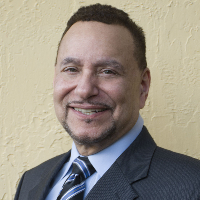
Florida · 30 yrs exp
Person-centered care for life transitions
Stress, Anxiety · Addictions · Trauma and abuse · Grief · +14 more
Read profile
Florida · 15 yrs exp
Compassionate social worker for life changes
Stress, Anxiety · Relationship · Family · Trauma and abuse · +8 more
Read profile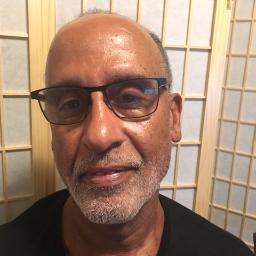
Georgia · 35 yrs exp
Experienced LCSW guiding practical life changes
Stress, Anxiety · Relationship · Family · Parenting · +12 more
Read profile
Florida · 38 yrs exp
Supportive counselor for life changes
Stress, Anxiety · Relationship · Self esteem · Depression · +12 more
Read profile
Florida · 3 yrs exp
Calm, practical therapy for life changes
Stress, Anxiety · Relationship · Family · Grief · +13 more
Read profile
Georgia · 20 yrs exp
Transforming transitions into workable steps
Stress, Anxiety · Relationship · Career · Depression · +13 more
Read profile
Florida · 32 yrs exp
Experienced LMHC helping people navigate life changes
Stress, Anxiety · Trauma and abuse · Parenting · Depression · +16 more
Read profile
Virginia · 5 yrs exp
Practical support for life transitions and relationships
Relationship · Intimacy-related issues · Self esteem · Career · +11 more
Read profile
Florida · 5 yrs exp
Calm, practical help for life’s big shifts
Stress, Anxiety · Relationship · Trauma and abuse · Anger · +11 more
Read profile
Virginia · 38 yrs exp
Experienced LCSW supporting life transitions
Trauma and abuse · Grief · Parenting · Bipolar · +9 more
Read profile
Florida · 12 yrs exp
Calm, practical support for life transitions
Stress, Anxiety · Relationship · Parenting · Self esteem · +5 more
Read profileIf you are dealing with immigration-related challenges you are likely facing more than paperwork and logistics. Immigration often arrives packaged with uncertainty about legal status, shifting family roles, language hurdles, and the need to build routines in a new setting. These stressors can overlap with other transitions - a new job, a relationship breakup, becoming a parent, or the loss of someone close. You may find your daily rhythms disrupted, your support networks thinner, and familiar ways of coping less effective. That combination can make adjustment feel heavier than it would for a move within the same country.
When you explore support, it helps to think about the specific changes you are living through rather than assuming a single cause. For example, adapting to a new workplace culture is different from grieving a separated family member even when both follow relocation. You can expect conversations about practical stressors and emotional responses - uncertainty, identity questions, loneliness, and fatigue are common themes. The point of talking with a therapist is to create a clearer map of the challenges you face and experiment with new routines, strategies, and perspectives that fit your life now. Therapy is an option for support, not a guaranteed solution, and it is most useful when you and a therapist agree on goals and working methods that feel relevant to you.
TransitionTherapists.com groups profiles that list Immigration Issues alongside other life transitions because many of the emotional and practical adjustments are similar. Relocating to another country, navigating status changes, or reuniting with family members can trigger the same kinds of adaptation work that follows a career change, retirement, or a major relationship shift. That overlap does not mean immigration causes every related problem, nor does it mean every therapist who lists both topics treats them in the same way. Some profiles will highlight immigration as a primary focus while others will include it as one of several areas of interest.
When you read profiles, notice how immigration is described. Does the therapist address cultural identity, separation from family, language transition, and legal stressors, or do they frame work more broadly around adjustment and coping? Also pay attention to the listed location and any notes about the settings in which the therapist practices. Academic degrees such as PhD, PsyD, MD, MA, and MSW indicate educational background. Those degrees are not the same as a current license or registration, and a degree alone does not establish permission to practice in a particular state or country. Confirming a therapist's licensure and their permission to work with you in your location is an important step before beginning care.
When you contact a therapist whose profile interests you, concrete questions will help you evaluate whether their approach fits your situation. Ask about the kinds of immigration-related experiences they commonly work with - for example, whether they have supported people through migration stress, visa-related uncertainty, family separation, or cultural adjustment. If language is important to you, ask which languages they speak and whether their sessions are conducted in your preferred language or with interpreter support. You can also ask whether they typically work with individuals, couples, or families, because a listed topic does not automatically mean they treat all these groups.
It is appropriate to inquire about therapeutic approaches in descriptive terms. You might ask whether they use trauma-informed care, cognitive behavioral strategies, narrative approaches, or other frameworks, while remembering that a therapist listing an approach is not the same as claiming a particular certification. A useful question is how they apply those approaches to immigration-related stress. You should also ask about documented professional credentials and the jurisdictions in which the therapist holds permission to practice. Clarify whether their listed degree - such as a PhD, PsyD, MD, MA, or MSW - is complemented by a license like LCSW, LPC, LMFT, or a state-issued credential if that matters for your situation. These direct questions give you clearer information so you can compare profiles on objective points that matter to you.
Many people reach out while they are still in the process of moving or while living in a different time zone. Before starting remote care it is helpful to talk through practical details. Confirm whether the therapist can legally offer services in your current location because licensing rules vary by state and country. Ask about the technology they use, how to handle missed connections, and what to do if you experience a crisis outside of session hours. Discussing communication preferences - email, text, or portal messages - and the expected response times can prevent misunderstandings.
It is also important to discuss the setting you will use for sessions. If you plan to meet from a shared home environment mention any concerns about finding a quiet, comfortable environment for conversation. Ask how the therapist approaches cultural differences and whether they can incorporate discussions about cultural identity, family expectations, or community resources into sessions. If your situation involves immigration-related legal matters, clarify that the therapist will not provide legal advice but can help you manage stress and decision making related to those processes. These practical conversations before you begin create clearer boundaries and expectations so you can focus on the work when sessions start.
Comparing profiles effectively means looking for patterns that match your priorities. Start by noting whether Immigration Issues appears as a primary focus or an additional area on the profile. Read the descriptive text to see if the therapist highlights particular populations or life stages, such as recent arrivals, long-term residents facing role changes, people dealing with family separation, or those navigating workplace transitions. Check the listed location to confirm geographic relevance and ask whether they have permission to work with you in your current jurisdiction.
Languages spoken are a concrete comparison point. If you prefer to speak in a particular language, give higher weight to profiles that explicitly list fluency. Look at credentials and distinguish degrees from licensing information. A PhD, PsyD, MD, MA, or MSW describes the therapist's training pathway, while an active license or registration indicates legal permission to practice. If that information is not clear on a profile you intend to contact, include it among your initial questions. Finally, consider therapeutic style. Some therapists emphasize collaborative problem solving and practical routines to reduce daily stress. Others foreground meaning-making, identity work, or processing grief. You can formulate comparison questions like: Do they describe helping clients build daily routines after a move? Do they mention working with immigration-related loss or family reunification? Do they describe a pace and structure that fit your needs? Asking these specific, practical questions helps you decide which profiles deserve follow-up.
Choosing a therapist is a personal process and comparing profiles on these concrete dimensions will help you narrow the field. Use the information on the profiles to inform a focused conversation, verify licensure and permission to practice in your location, and then select the professional whose described focus, language skills, credentials, and therapeutic style align best with what you need right now.
Alabama
25 therapists
Alaska
2 therapists
Arizona
12 therapists
Arkansas
7 therapists
California
31 therapists
Colorado
13 therapists
Connecticut
8 therapists
Delaware
39 therapists
District of Columbia
48 therapists
Florida
1824 therapists
Georgia
500 therapists
Hawaii
6 therapists
Idaho
3 therapists
Illinois
16 therapists
Indiana
11 therapists
Iowa
4 therapists
Kansas
5 therapists
Kentucky
12 therapists
Louisiana
19 therapists
Maine
2 therapists
Maryland
280 therapists
Massachusetts
5 therapists
Michigan
15 therapists
Minnesota
4 therapists
Mississippi
7 therapists
Missouri
8 therapists
Nebraska
1 therapist
Nevada
6 therapists
New Hampshire
3 therapists
New Jersey
18 therapists
New Mexico
5 therapists
New York
34 therapists
North Carolina
669 therapists
Ohio
19 therapists
Oklahoma
5 therapists
Oregon
4 therapists
Pennsylvania
35 therapists
Rhode Island
3 therapists
South Carolina
335 therapists
Tennessee
17 therapists
Texas
56 therapists
Utah
7 therapists
Vermont
4 therapists
Virginia
333 therapists
Washington
6 therapists
West Virginia
56 therapists
Wisconsin
4 therapists
Wyoming
3 therapists