Therapist profile
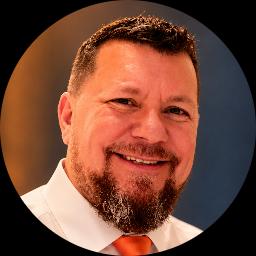
David Routly
Counselor for life changes and recovery
Review online therapy options on BetterHelp.
- Practical coping skills
- Trauma-informed care
- 18 years experience
About David
He focuses on practical change. Sessions look at patterns that get in the way of daily life and recovery. He uses conversation and evidence-based tools to build skills for managing emotions, cravings, sleep, and relationship strain.
David brings 18 years of clinical experience to his practice in Georgia. That background includes work with people facing grief, parenting strain, intimacy issues, and challenges related to ADHD and bipolar mood swings. He also supports those navigating identity and LGBT concerns and people coping with compassion fatigue.
His approach blends client-centered listening with cognitive behavioral and dialectical behavior techniques. He also offers EMDR for trauma work and draws on existential ideas when clients want to examine meaning and values. Treatment is shaped around each person’s goals and pace.
David encourages straightforward planning and small, measurable steps. He asks about what’s working and what isn’t, then adjusts tools to match real life. The aim is to reduce immediate distress and build lasting coping strategies for life transitions and recovery.
Therapeutic approaches and online care
Many clients find client-centered therapy helps them feel heard and understood before starting skill work. This approach focuses on the person’s concerns and priorities, and the therapist follows the client’s lead to set goals. Cognitive Behavioral Therapy, or CBT, teaches practical tools to change unhelpful thinking and behavior patterns. It is often used for anxiety, depression, sleep problems, and coping during life transitions. Dialectical Behavior Therapy, or DBT, adds emotion regulation and distress-tolerance skills for people who struggle with intense feelings or impulsive behavior.Finding the right approach is collaborative. The therapist will talk with each person about their needs, goals, and preferences and make adjustments as therapy progresses. That way the plan reflects what the client wants to change and how quickly they want to move.
Confirm the current session options before booking, as formats are not specified here. Online therapy can make it easier to fit sessions into a busy week, reduce travel time, and allow shorter check-ins when a full session is not needed. Licensed professionals can also tailor homework and skill practice between meetings so progress continues outside of sessions.
Areas of expertise
Primary focus
Also works with
Additional focus areas
Therapeutic approaches
Experience
18+ years
Credentials
Georgia
Languages
English
Frequently asked questions
What concerns does David address?
He works with stress, anxiety, addictions, trauma and abuse, anger, depression, and coping with life changes, among other concerns listed in his specialties.
How would you describe his therapy style?
Sessions combine client-centered listening with skill-based approaches like CBT and DBT, plus EMDR for trauma when appropriate.
How much clinical experience does he have?
He has 18 years of experience working with people facing recovery, relationship strain, grief, and related challenges.
What are his credentials and where is he based?
He holds an LPC credential and practices in Georgia.
Which languages are sessions offered in?
Sessions are offered in English.
Can international clients work with him?
He is not currently accepting international clients.
How does payment and cost work?
Cost varies with location and therapist availability; sessions use a subscription that can be canceled at any time.
What are the steps to begin therapy?
Click the Start Therapy button, complete a short matching questionnaire, and then schedule according to the therapist's availability.