
Michelle Pellin
LMHC, LPCConnecticut · 11 yrs exp
Supportive counseling for life transitions and stress
Stress, Anxiety · Parenting · Self esteem · Depression · +16 more
Read profileTherapist listings are provided by BetterHelp. We will earn a commission at no extra cost to you if you use our links to buy.
Compare therapists who list Multicultural Concerns and life transition support by reviewing profiles, listed location, languages, credentials, and described approaches.
Browse the profiles below to find professionals whose focus areas and therapeutic style you want to explore further.
Connecticut · 11 yrs exp
Supportive counseling for life transitions and stress
Stress, Anxiety · Parenting · Self esteem · Depression · +16 more
Read profile
Georgia · 20 yrs exp
Compassionate counselor for life transitions
Stress, Anxiety · Addictions · Relationship · Self esteem · +12 more
Read profile
Texas · 13 yrs exp
Practical skills and steady therapeutic support
Stress, Anxiety · Relationship · Trauma and abuse · Anger · +11 more
Read profile
Florida · 20 yrs exp
Compassionate counselor for life transitions
Stress, Anxiety · Addictions · Relationship · Self esteem · +16 more
Read profile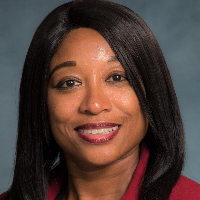
Georgia · 8 yrs exp
Compassionate counselor for life changes
Stress, Anxiety · Relationship · Family · Grief · +11 more
Read profile
Florida · 25 yrs exp
Therapist for life transitions and trauma
Relationship · Trauma and abuse · Grief · Anger · +12 more
Read profile
Florida · 25 yrs exp
Calm, practical counseling for life changes
Stress, Anxiety · Family · Grief · Self esteem · +12 more
Read profile
North Carolina · 10 yrs exp
Faith-informed therapist blending skills and values
Stress, Anxiety · Relationship · Family · Bipolar · +16 more
Read profile
Georgia · 20 yrs exp
Compassionate counselor for major life shifts
Stress, Anxiety · Addictions · Family · Anger · +13 more
Read profile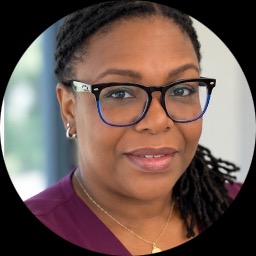
Florida · 17 yrs exp
Guidance for real life changes
Stress, Anxiety · Parenting · Self esteem · Depression · +10 more
Read profile
Florida · 10 yrs exp
Supportive LCSW for life transitions
Stress, Anxiety · Addictions · Family · Grief · +8 more
Read profile
North Carolina · 18 yrs exp
Straightforward support for life changes
Stress, Anxiety · Addictions · Trauma and abuse · Anger · +13 more
Read profile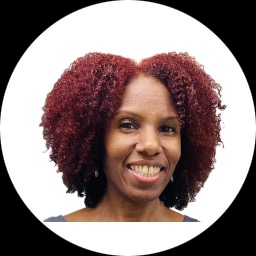
Florida · 20 yrs exp
Experienced counselor for life transitions
Stress, Anxiety · Addictions · Relationship · Career · +7 more
Read profile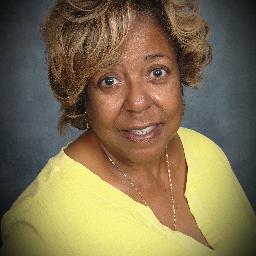
Georgia · 17 yrs exp
Compassionate counselor for life changes
Relationship · Family · Trauma and abuse · Career · +13 more
Read profile
Florida · 22 yrs exp
Steady practical support for life transitions
Stress, Anxiety · Relationship · Family · Self esteem · +10 more
Read profile
Florida · 20 yrs exp
Compassionate counselor focused on practical change
Stress, Anxiety · Grief · Self esteem · Depression · +9 more
Read profile
North Carolina · 10 yrs exp
Somatic-focused counselor for life transitions
Stress, Anxiety · LGBT · Relationship · Coping with life changes · +13 more
Read profile
Florida · 12 yrs exp
Calm guidance for life transitions
Stress, Anxiety · Addictions · Parenting · Depression · +8 more
Read profile
Florida · 13 yrs exp
Applied, direct counseling for everyday struggles
Stress, Anxiety · Relationship · Intimacy-related issues · Depression · +15 more
Read profile
South Carolina · 13 yrs exp
Helping people through life transitions
Stress, Anxiety · Family · Parenting · Self esteem · +10 more
Read profile
Maryland · 25 yrs exp
Experienced counselor for life transitions
Stress, Anxiety · Addictions · Relationship · Grief · +12 more
Read profile
Delaware · 28 yrs exp
Compassionate, practical therapy for life transitions
Stress, Anxiety · Family · Self esteem · Depression · +11 more
Read profile
Georgia · 36 yrs exp
Compassionate, experienced counselor for life changes
Stress, Anxiety · Family · Trauma and abuse · Self esteem · +13 more
Read profile
Florida · 25 yrs exp
Compassionate counselor for life transitions
Addictions · Bipolar · Depression · Coping with life changes · +7 more
Read profileWhen you move, change jobs, end a relationship, become a parent, enter retirement, or grieve a loss, you are navigating practical changes and shifts in identity. Culture influences how you interpret those shifts, what routines feel meaningful, and which supports are familiar. You may find that family expectations, language barriers, religious traditions, immigration history, or community norms affect how you make decisions and adapt. Those same cultural threads also shape the kinds of meaning you attach to milestones - what feels like progress to one person may feel like loss to another.
In practical terms, cultural background can influence small day-to-day adjustments as well as larger life choices. You might be balancing obligations across borders, translating new social cues in a different cultural setting, or negotiating caregiving roles that look different than what you expected. Attention to these factors can help you build new routines that feel coherent with your values and relationships. When you review profiles on this page, consider how a therapist’s stated focus areas and language offerings relate to the cultural dimensions of the change you are facing.
This page groups profiles of clinicians who list Multicultural Concerns as a focus alongside attention to life transitions. That grouping highlights an intersection many people find relevant - cultural context often matters when you adapt to new circumstances. The directory does not imply that multicultural focus causes any particular transition or that every profile addresses the exact type of change you face. Instead, the grouping helps you find clinicians who indicate experience or interest in cultural dynamics that commonly matter during transitions.
As you read profiles, notice how clinicians frame the relationship between multicultural topics and change. Some profiles highlight language fluency, work with immigrant communities, religious or ethnic competence, or experience across lifespan transitions. Others emphasize attention to intersectional identity, such as how race, sexual orientation, socioeconomic background, or disability interact with life events. Use those descriptions to identify professionals whose priorities align with the cultural aspects of your situation, and keep in mind that a listed focus does not guarantee a match until you discuss it directly with the person whose profile you are viewing.
When you contact a clinician or review a profile, specific questions help you compare fit. Ask about their experience with transitions like moving, job change, retirement, becoming a parent, breakups, or bereavement in the context of your cultural background. You can request examples of how they have supported clients facing similar adjustments without asking for identifying details. Inquire whether they list languages you speak among their proficiencies and how they handle language differences if an interpreter is involved.
Ask about the kinds of approaches they mention on their profile - for instance, therapists who list cognitive behavioral methods, psychodynamic perspectives, narrative work, mindfulness-informed practices, or trauma-informed care among their approaches may describe different ways of addressing change. Phrase these inquiries as a request to understand what those approaches look like in practice for you. Also clarify what their listed academic degrees mean. Degrees such as PhD, PsyD, MD, MA, and MSW indicate educational background, while current professional licensure or registration indicates legal permission to practice; a degree alone does not confirm that permission. Always plan to verify a clinician’s license and their permission to provide care where you live before starting.
If you are considering remote sessions, have specific conversations up front to set expectations. Confirm that the clinician can lawfully provide services to people in your jurisdiction and that their listed location aligns with any licensing constraints. Discuss practical matters such as session length, scheduling across time zones, and the technology platform used. Ask about their privacy practices and how they handle notes and communications, and request information on how they will manage emergency planning if you are in crisis. It is appropriate to ask what kinds of community resources they recommend in your area for urgent needs.
Also talk about cultural and language match in the online setting. If you want a clinician who shares your cultural background or language fluency, ask how those factors shape their work. If you rely on translation or a cultural consultant, discuss how that will be integrated. Before starting, make sure you are comfortable with how information-sharing boundaries, limits of practice, and local crisis support are explained. You should leave that discussion with a clear sense of decision points - what you will try first, how you will assess fit, and how to change course if the approach is not meeting your needs.
Comparing profiles means attending to both concrete facts and the tone of the information provided. Focus areas and listed approaches help you narrow the field - look for clinicians who explicitly mention life transitions that match yours, such as relocation, retirement, becoming a parent, relationship endings, or bereavement. Notice whether cultural topics that matter to you appear on a profile - examples include immigration history, racial identity, faith traditions, or multilingual practice. Language proficiency is a practical comparison point; profiles that list languages you speak can reduce friction in communication, but be sure to clarify the level of fluency in conversation.
When evaluating credentials, distinguish degrees from licenses. A PhD or PsyD denotes doctoral training in psychology, an MD indicates a medical degree, and MA or MSW indicate graduate training in related fields. Licensure, registration, or professional credentials are the elements that show legal permission to practice in a jurisdiction - verify those details directly with the clinician. Style and therapeutic stance also matter. Some profiles describe a directive, problem-solving orientation while others emphasize exploration of meaning, relationship patterns, or cultural narratives. Pay attention to how clinicians write about their work - clear, specific descriptions often make it easier to imagine how you would work together.
Finally, remember that a listed topic does not automatically mean a clinician treats children, couples, or families. If your needs include relationship or family work, ask the clinician about their actual scope and experience. Use the profile as a starting point for focused conversations that let you determine whether a clinician’s approach, language abilities, credentials, and listed location align with what you need as you navigate your transition.
Alabama
25 therapists
Alaska
2 therapists
Arizona
12 therapists
Arkansas
7 therapists
California
31 therapists
Colorado
13 therapists
Connecticut
8 therapists
Delaware
39 therapists
District of Columbia
48 therapists
Florida
1824 therapists
Georgia
500 therapists
Hawaii
6 therapists
Idaho
3 therapists
Illinois
16 therapists
Indiana
11 therapists
Iowa
4 therapists
Kansas
5 therapists
Kentucky
12 therapists
Louisiana
19 therapists
Maine
2 therapists
Maryland
280 therapists
Massachusetts
5 therapists
Michigan
15 therapists
Minnesota
4 therapists
Mississippi
7 therapists
Missouri
8 therapists
Nebraska
1 therapist
Nevada
6 therapists
New Hampshire
3 therapists
New Jersey
18 therapists
New Mexico
5 therapists
New York
34 therapists
North Carolina
669 therapists
Ohio
19 therapists
Oklahoma
5 therapists
Oregon
4 therapists
Pennsylvania
35 therapists
Rhode Island
3 therapists
South Carolina
335 therapists
Tennessee
17 therapists
Texas
56 therapists
Utah
7 therapists
Vermont
4 therapists
Virginia
333 therapists
Washington
6 therapists
West Virginia
56 therapists
Wisconsin
4 therapists
Wyoming
3 therapists