Therapist profile
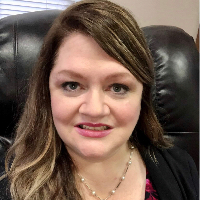
Tracey Byram
Compassionate counselor for life transitions
Review online therapy options on BetterHelp.
- Practical coping skills
- Values-focused work
- Emotion regulation tools
About Tracey
Her approach is practical and person-centered. She uses Cognitive Behavioral Therapy to help clients spot unhelpful thinking and try new behaviors. Dialectical Behavior Therapy offers skills for emotion regulation and tolerating distress. Acceptance and Commitment Therapy helps people clarify values and take meaningful steps when life feels overwhelming.
Tracey aims to create a calm space where people can talk through what matters most to them. She draws on attachment-based ideas to understand how past relationships shape present patterns. Sessions focus on clear tools, homework that fits daily life, and steady tracking of progress.
She has worked with LGBT clients and with people affected by autism spectrum concerns. Tracey has also included animal-assisted work with certified therapy dogs in past practice. Outside counseling she enjoys reading, hiking, yard work, home projects, thrifting, and time at the beach.
Tracey practices in Georgia as a Licensed Professional Counselor, LPC. Her style blends structured skill-building with a warm, client-centered stance to help people manage change and move toward their goals.
How therapeutic approaches guide online work
Acceptance and Commitment Therapy, or ACT, focuses on helping people clarify what matters most to them and take small steps toward those values even when emotions make things hard. It can be useful for coping with life changes, depression, and anxiety. Cognitive Behavioral Therapy, CBT, looks at the link between thoughts, feelings, and behavior and offers concrete exercises to test new ways of thinking and acting. It often helps with anxiety, mood concerns, and sleep or eating issues. Dialectical Behavior Therapy, DBT, teaches skills for managing strong emotions, improving relationships, and tolerating distress in the moment.Finding the right approach is part of the work. The therapist will collaborate with each person to choose methods that fit their goals, needs, and day-to-day routine. That may mean emphasizing skills practice one week and values-based work the next, depending on what proves most helpful.
Confirm the current session formats before booking, as the biography does not list specific online or in-person options. Online work can make it easier to fit therapy into a busy schedule, allow shorter check-ins during a workday, and reduce travel time. It also lets people practice skills in the settings where they live and learn how tools translate into everyday moments. Licensed professionals and therapists can adapt exercises and homework to remote sessions so progress continues between visits.
Areas of expertise
Primary focus
Also works with
Additional focus areas
Therapeutic approaches
Experience
27+ years
Credentials
Georgia
Languages
English
Frequently asked questions
What concerns does Tracey help with?
She supports people with stress, anxiety, depression, bipolar challenges, trauma, addictions, grief, relationship and parenting issues, and coping with life changes among other concerns.
What is her therapeutic style like?
Her style is warm and client-centered while also offering clear skills and homework. Sessions combine conversation with practical exercises tailored to everyday life.
How much experience does she have?
Tracey has 27 years of experience working with a wide range of concerns and has long included work with LGBT clients and people affected by autism spectrum issues.
What credential does she hold and where does she practice?
She is a Licensed Professional Counselor, LPC, practicing in Georgia.
Which languages are supported for sessions?
Sessions are offered in English.
Are international clients accepted?
International clients are not currently accepted.
How are fees and payment handled?
Cost varies with location and therapist availability; sessions use a subscription that can be canceled at any time.
How do I start therapy with Tracey?
Select the Start Therapy button, complete a short matching questionnaire, and schedule according to therapist availability.