Therapist profile
Dr. Montgomery Prescod
Practical support for coping with life changes
Review online therapy options on BetterHelp.
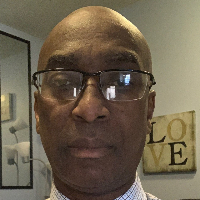
- Goal-focused care
- Mindfulness tools
- Military-informed perspective
About Montgomery
He uses practical, talk-based methods to spot unhelpful patterns and try new ways of coping. Sessions focus on noticing thoughts and behaviors, learning skills to manage strong emotions, and building routines that feel more manageable. Mindfulness is often used to help ground people when worry or intense feelings show up.
Dr. Prescod draws on Acceptance and Commitment Therapy, Cognitive Behavioral Therapy, Dialectical Behavior Therapy, and client-centered techniques. He blends these approaches to match the problem at hand and each person's own goals. Treatment tends to be collaborative and goal-focused rather than one-size-fits-all.
His background includes military service, which informs his understanding of military culture and related stressors. He also lists work with mood disorders, trauma and post-traumatic stress, addictions, ADHD, and multicultural concerns among his focus areas. He uses assessment tools for relationship concerns when appropriate.
Sessions are aimed at helping people regain daily routines, reduce distress, and handle change with clearer choices. Prospective clients should use the site's Start Therapy button to begin the matching process and schedule based on availability.
How common approaches translate to online work
Acceptance and Commitment Therapy (ACT) focuses on noticing thoughts and values. It helps people accept difficult feelings while taking steps toward a life that matters to them, which can aid coping with big changes. Cognitive Behavioral Therapy (CBT) looks at how thoughts, feelings, and behaviors connect and teaches concrete skills to reduce anxiety and depression symptoms. Mindfulness Therapy centers on simple awareness practices to reduce reactivity and improve emotional regulation.Finding the right approach is part of the work. The therapist will discuss goals, preferences, and the problem at hand, then suggest which methods to try. This is a collaborative process and can be adjusted over time if something is not helping.
If you are considering online sessions, confirm the current session options before booking. Online work can make it easier to fit therapy into a busy schedule, shorten commute time, and allow check-ins that feel less formal. It can also make some skill practice simpler during daily routines and let people use mindfulness exercises where they already spend their time. Ask about the session options available so you can choose what fits your life.
Areas of expertise
Primary focus
Also works with
Additional focus areas
Therapeutic approaches
Experience
8+ years
Credentials
South Carolina
Languages
English
Frequently asked questions
What issues does this therapist commonly address?
He works with stress, anxiety, depression, trauma and abuse, bipolar concerns, addictions, relationship and intimacy issues, grief, parenting strain, and coping with life changes.
How would you describe his therapeutic style?
The approach is practical and collaborative, using talk therapy, skill teaching, and mindfulness to reduce distress and change unhelpful patterns.
What is his professional background?
He has eight years of counseling experience and a military background that shapes his understanding of related stress and culture.
What credentials and location are listed for this clinician?
He holds the LPC credential and practices from South Carolina.
In which languages can sessions be held?
Sessions are offered in English only.
Are international clients accepted?
International clients are not currently accepted.
How are sessions priced and billed?
Cost varies with location and therapist availability; sessions use a subscription that can be canceled at any time.
What steps start the process of working together?
Use the Start Therapy button, complete a short matching questionnaire, and schedule according to the therapist's availability.