Therapist profile
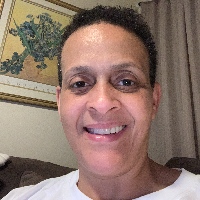
Eugenia Davis
Compassionate therapist for life transitions
Review online therapy options on BetterHelp.
- Practical coping strategies
- Focus on relationships
- Experience with addictions
About Eugenia
She earned a Master of Science in Mental Health Counseling in 1999 and was a member of Chi Sigma Iota honor society during training. Her background includes long-term work with people facing substance use concerns, mood disorders, and complex mental health challenges. She has experience across many settings, including community agencies, correctional programs, and foster-care environments.
In therapy she helps people notice patterns that keep problems going and try new ways of responding. Sessions are collaborative and practical. Eugenia listens for what a person already knows and then offers different perspectives to try together.
Her approach draws on client-centered methods, cognitive behavioral ideas, emotionally-focused work, mindfulness, and motivational interviewing. Those methods are used to address issues such as addiction, relationship strain, parenting stress, trauma, and coping with life changes.
She practices in North Carolina and works with English-speaking clients, including people outside the United States. If a reader wants to explore beginning therapy, she suggests a simple first step of answering a short matching questionnaire and scheduling an initial appointment.
How her approaches translate to online work
Eugenia uses client-centered work to help people feel heard and understood. That approach focuses on the person’s experience and priorities, and it helps when someone needs support making sense of change or loss.She also uses cognitive behavioral therapy, which looks at connections between thoughts, feelings, and actions. This method is useful for managing anxiety, low mood, and behavior patterns that get in the way of daily life. Emotionally-focused ideas guide attention to relationship patterns and how emotions shape interactions, which can help with intimacy and communication concerns.
Finding the right approach is a team effort. She will discuss goals, try techniques, and adjust methods based on what helps most. That lets the client test what fits their needs and circumstances in real time.
Because session formats are not specified here, confirm the available online options before booking. Online work can make it easier to fit sessions into a busy week, reduce travel time, and allow shorter check-ins when needed. It also lets people keep continuity of care if they move or travel, while the therapist and client try approaches that fit the client’s day-to-day life.
Areas of expertise
Primary focus
Also works with
Additional focus areas
Therapeutic approaches
Experience
22+ years
Credentials
North Carolina
Languages
English
Frequently asked questions
What concerns does she help with?
She works with stress, anxiety, depression, addiction, grief, trauma and relationship problems. Coping with life changes and challenges such as parenting, intimacy issues, and ADHD are also areas of focus.
What is her general therapy style?
Sessions are collaborative and straightforward. She listens, reflects back different perspectives, and helps people try practical steps between sessions.
How long has she been practicing?
She has over 22 years of experience in mental health and addiction settings. That experience includes work in community programs and correctional environments.
What credential and location are listed?
She is a Licensed Clinical Mental Health Counselor, LCMHC, and practices in North Carolina.
Which languages are available for sessions?
Sessions are offered in English, and she accepts clients from outside the United States.
What session formats are offered?
Confirm current session options before booking to learn which formats are available for scheduling.
How are fees handled?
Cost varies with location and therapist availability; sessions use a subscription that can be canceled at any time.
How do I begin working with her?
Select the Start Therapy button, complete a short matching questionnaire, and schedule according to therapist availability.