Therapist profile
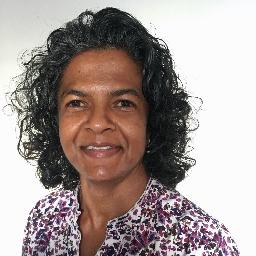
Roshne Davidson
Helping people navigate major life changes
Review online therapy options on BetterHelp.
- Collaborative care
- Whole person focus
- Practical tools
About Roshne
She brings 18 years of experience in mental health settings, including inpatient and outpatient care, and focuses on the whole person. That means conversations consider emotional, physical, relational, and spiritual needs, not just symptoms. Sessions often include simple tools such as movement, music, or nature-based ideas when they help client goals.
Her approach combines client-centered listening with clearer behavioral tools. Cognitive Behavioral Therapy techniques are used to spot unhelpful thinking and try small, testable changes. Motivational Interviewing supports people who feel stuck or unsure about next steps.
Roshne also draws on existential and mindfulness ideas to help people find meaning and steadiness during transitions. She aims to be culturally sensitive and genuine while encouraging realistic, achievable change. The work is paced to each person’s needs and values.
People reach out for help with anxiety, depression, addictions, parenting stress, grief, trauma, relationship concerns, bipolar mood issues, self-esteem, anger, and compassion fatigue. If a reader wants to begin, they can use the Start Therapy button and complete the brief matching questionnaire to move forward.
How these approaches translate to online work
Client-Centered Therapy focuses on listening closely and responding to what matters to the person. It helps people feel heard and shapes goals around their values and priorities.Cognitive Behavioral Therapy (CBT) looks at how thoughts, feelings, and behaviors connect. It uses simple exercises and experiments to test new ways of responding to stress, anxiety, or low mood.
Mindfulness Therapy teaches attention skills to reduce reactivity and build steadiness in day-to-day life. It can be useful for anxiety, mood regulation, and coping with change.
Figuring out the best approach is part of the work together. The therapist will collaborate with each person to choose methods that match their needs, goals, and preferences, and will adjust strategies over time based on feedback.
Online therapy can make it easier to fit sessions into a busy life, such as scheduling during a break at work or avoiding a commute. It also allows people to continue consistent care during relocation or other transitions. Because the therapist’s specific session formats aren’t listed in the biography, confirm which formats are available before booking so they match your schedule and needs.
Areas of expertise
Primary focus
Also works with
Therapeutic approaches
Experience
18+ years
Credentials
Virginia
Languages
English
Frequently asked questions
What concerns does she help with?
She works with stress, anxiety, depression, addiction, trauma, grief, parenting and relationship concerns, as well as coping with life changes such as career or health transitions.
What is her general therapy style?
Her style is collaborative and client-centered, combining listening with practical steps. She aims to be culturally sensitive, genuine, and respectful while helping people try small changes.
How much clinical experience does she have?
She has 18 years of experience working in both acute care and outpatient mental health settings.
What credentials and location apply?
She is a Licensed Professional Counselor (LPC) and practices in Virginia.
Which languages are supported for sessions?
Sessions are offered in English and international clients are not currently accepted.
What session formats are offered?
The original biography does not list specific session formats. Please confirm current session options before booking.
How does payment and cost work?
Cost varies with location and therapist availability; sessions use a subscription that can be canceled at any time.
How do I begin working together?
Use the Start Therapy button, complete a short matching questionnaire, and then schedule according to therapist availability.