Therapist profile
Michelle Gross
Practical guidance for stress and life change
Review online therapy options on BetterHelp.
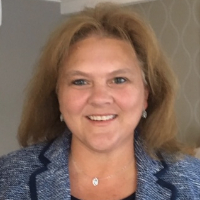
- Client-centered care
- ADHD coaching focus
- Practical skill building
About Michelle
She earned a Master’s in Counseling and an MBA from Wake Forest University. That mixed background shapes how she blends emotional support with concrete problem solving. Clients can expect conversations about how their thinking and habits affect daily life, and specific strategies to manage tasks and moods.
Michelle often supports people with ADHD across adolescence, college years, and adulthood. She helps set up routines, prioritize tasks, and build methods that fit how a person’s brain works. She also addresses grief, depression, anxiety, and recovery from addictive behaviors with step-by-step tools.
Work with entrepreneurs and professionals is part of her practice. Michelle uses her experience managing budgets and projects to coach on leadership, prioritizing, delegation, and following through on goals. Sessions are practical and goal-oriented when that is useful.
Her style is warm and client-centered, with a focus on mindfulness and skills from cognitive behavioral and dialectical behavior approaches. She partners with people to increase self-awareness and create real changes they can maintain over time.
How her approaches translate to online care
Client-centered therapy puts the client's goals first and focuses on listening and understanding. Online sessions can use that same listening-based approach to shape goals and priorities in ways that matter day to day.Cognitive behavioral therapy (CBT) helps people spot unhelpful thoughts and try new behaviors to change mood and function. CBT techniques work well online because homework, worksheets, and behavior tracking can be reviewed together during sessions.
Dialectical behavior therapy (DBT) offers skills for managing intense emotions, improving distress tolerance, and sharpening interpersonal effectiveness. Those concrete skills can be practiced between sessions and then discussed with the therapist in follow-ups.
Finding the right approach is part of the process. Michelle will collaborate with each person to identify which methods fit their needs, goals, and preferences. She adapts methods over time based on progress and feedback.
The profile does not list specific session formats, so confirm current options before booking. Online work can make it easier to fit appointments into busy weeks, allow shorter check-ins when needed, and let people use written or visual tools between sessions. Licensed professionals use these formats to support consistent progress while balancing everyday life.
Areas of expertise
Primary focus
Also works with
Additional focus areas
Therapeutic approaches
Experience
20+ years
Credentials
North Carolina
Languages
English
Frequently asked questions
What concerns does Michelle commonly address?
She supports people with stress, anxiety, depression, ADHD, addictions, grief, and coping with life changes. Additional focus areas include career and workplace challenges, parenting stress, and end-of-life caregiving concerns.
How would you describe her therapeutic style?
Her style is client-centered and collaborative, mixing practical skill work with reflective conversation. Sessions often include mindfulness techniques and strategies to change unhelpful thoughts and behaviors.
What is her background and experience?
Michelle has about 20 years of experience in counseling, coaching, and education across schools, universities, corporations, and private practice. She combines clinical work with organizational experience.
What credentials and location are listed?
She holds the LCMHC credential and completed a Master’s in Counseling plus an MBA from Wake Forest University. Her practice is based in North Carolina.
Which languages are supported and can she work internationally?
Sessions are offered in English, and she accepts international clients.
What session formats are available?
The original profile does not specify session formats, so confirm current session options before booking to learn whether phone or video sessions are offered.
How are fees handled?
Cost varies with location and therapist availability, and sessions use a subscription that can be canceled at any time.
How do I begin working with Michelle?
Click the Start Therapy button, complete a short matching questionnaire, and schedule according to therapist availability.