Therapist profile
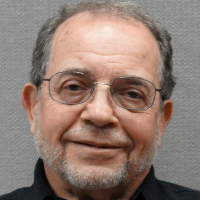
Michael Misterka
Calm, practical help for life transitions
Review online therapy options on BetterHelp.
- Client-centered approach
- Focus on relationships
- Practical behavior work
About Michael
His approach is shaped by 15 years in counseling practice. Sessions emphasize a client-centered attitude where the person decides what to work on and when to make changes. That partnership includes talking through relationship strain, parenting challenges, grief, addiction concerns, and issues tied to family of origin.
Michael blends several therapeutic styles to fit a person’s needs. He draws on attachment-based ideas to look at how early relationships shape current patterns. Emotionally-Focused techniques help people name strong feelings and connect them to behavior. Motivational Interviewing supports people who want to shift habits or substance use by exploring their own reasons for change.
In practice he uses straightforward conversation, developmental and psychodynamic ideas, and experiential moments to find what helps most. He encourages clients to weigh options and make decisions that match their values. Over time the work aims to reduce isolation, improve communication, and rebuild a sense of purpose.
Michael holds an LCSW-C in Maryland and works in English. Before booking, readers should confirm current session formats and scheduling details through the site’s Start Therapy flow.
How these approaches guide online work
Attachment-Based Therapy looks at how early relationships shape current patterns. It helps people understand why they react a certain way in close relationships and can make it easier to change long-standing cycles. Client-Centered Therapy keeps the client's priorities at the center of each session, offering a space to talk through worries and decide on practical next steps. Emotionally-Focused Therapy (EFT) helps name and map strong emotions, which can lessen repeated arguments and improve connection.Choosing the right approach is a collaborative process. The therapist will discuss goals, preferences, and what has worked in the past. Together they will try methods that fit the person’s situation and adjust as needed based on what helps most.
The biography does not list which online formats are provided, so confirm current session options before booking. Online work can make it easier to fit therapy into a busy week, allow shorter check-ins when needed, and let people join sessions without traveling. It also lets therapists use conversation, emotion-focused exercises, and motivational techniques in ways that match a client's pace and daily life.
Areas of expertise
Primary focus
Also works with
Additional focus areas
Therapeutic approaches
Experience
15+ years
Credentials
Maryland
Languages
English
Frequently asked questions
What concerns does this therapist support?
He works with stress, anxiety, depression, grief, addiction issues, parenting and many relationship concerns including intimacy and communication problems.
How would sessions feel or flow?
Sessions are conversational and goal oriented. He partners with clients to set small, practical steps and reviews progress together.
How much experience does he have?
He has 15 years of counseling experience working with issues like trauma, family of origin concerns, and readjustment challenges.
What are his credentials and where is he located?
He holds an LCSW-C in Maryland and practices there in English.
Can people who live outside the United States work with him?
International clients are not currently accepted; sessions are offered in English within the therapist's stated practice region.
Which session formats are offered?
The original biography does not specify session formats. Please confirm current session options before booking.
How does billing and cost work?
Cost varies with location and therapist scheduling; sessions use a subscription that can be canceled at any time.
What do I do to begin therapy?
Select the Start Therapy button, complete a short matching questionnaire, and schedule according to the therapist's availability.