Therapist listings are provided by BetterHelp. We will earn a commission at no extra cost to you if you use our links to buy.

Therapist profile

Erika Rucker

LPC West Virginia 3 years of experience

Practical therapy for life transitions

Continue with Erika

Review online therapy options on BetterHelp.
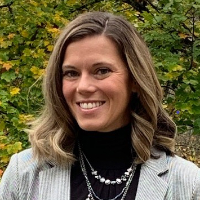
Erika Rucker
  • Attachment-informed care
  • Skill focused
  • Goal oriented

About Erika

Erika Rucker is an LPC who focuses on helping people manage life changes and everyday struggles. She keeps sessions straightforward and practical, working to build trust so people feel heard. Erika aims to help clients find tools that fit their life and goals. She draws on several well-known approaches such as attachment-based work, client-centered methods, cognitive behavioral techniques, dialectical behavior ideas, and emotionally-focused work. That variety helps her match strategies to problems like anxiety, depression, grief, relationship strain, and addiction. Erika also addresses concerns tied to sleep, eating, caregiver stress, chronic illness, and body image. Erika has three years of counseling experience and practices in West Virginia. Her background includes work with people facing trauma, panic, and bereavement. She combines practical behavioral steps with attention to feelings and relationship patterns so sessions are both useful and grounded. In the room she focuses on what will make a difference day to day. That can mean learning skills to manage strong emotions, changing unhelpful thinking, rebuilding connection after loss, or planning next steps during a major life transition. She encourages small, doable changes that add up over time. Looking for therapy can feel difficult. Erika aims to make the first steps easier by listening, clarifying goals, and creating a plan together. People who want help coping with life changes and related issues can start by using the site process to match and schedule sessions.

How her approaches translate to online work

Attachment-Based Therapy looks at relationship patterns and emotional bonds. Online sessions can be used to identify how past connections influence current relationships and to practice new ways of relating. Client-Centered Therapy focuses on listening and helping clients find their own answers. In a remote session this means the therapist offers empathic support and reflection while the client steers the goals.

Choosing the right approach is something the therapist does together with each person. She will ask about needs, goals, and preferences and then try methods that fit. That collaborative process may include trying skills-based work or deeper emotion-focused sessions depending on what helps most.

Session formats are not listed in the original biography, so confirm current options before booking. Online therapy can make it easier to fit sessions into a busy week, reduce travel time, and allow shorter check-ins when schedules are tight. It can also make it simpler to keep continuity of care during big life transitions or relocation. Licensed professionals adapt tools normally used in office sessions so clients can practice skills, process emotions, and make plans from wherever they connect.

Areas of expertise

Primary focus

Stress, AnxietyRelationship issuesTrauma and abuseGriefDepression

Also works with

AddictionsFamily conflictsIntimacy-related issuesEating disordersSleeping disordersParenting issuesAnger managementSelf esteemCareer difficultiesCoping with life changesCompassion fatigueADHD

Additional focus areas

AbandonmentAttachment issuesBlended family issuesBody imageCancerCaregiver issues and stressChronic pain, illness, and disabilityCo-morbidityCommitment issuesCommunication problemsControl issuesCoping with natural or human-caused disasterDisruptive Mood Dysregulation Disorder (DMDD)Divorce and separationDrug and alcohol addictionEating and food-related issuesEmptinessFamily of origin issuesFamily problemsFertility issuesFirst responder issuesForgivenessGuilt and shameHospice and end-of-life counselingImpulsivityInfidelityIsolation / lonelinessJealousyLife purposeMen's issuesMidlife crisisMood disordersObsessions, compulsions, and OCDPanic disorder and panic attacksPostpartum depressionPost-traumatic stressPregnancy and childbirthPrejudice and discriminationProcess addiction (porn, exercise, gambling)Seasonal Affective Disorder (SAD)Self-harmSelf-loveSmoking / vaping cessationSocial anxiety and phobiaSomatizationWomen's issuesWorkplace issuesYoung adult issues

Therapeutic approaches

Attachment-Based TherapyClient-Centered TherapyCognitive Behavioral Therapy (CBT)Dialectical Behavior Therapy (DBT)Emotionally-Focused Therapy (EFT)HypnotherapyMindfulness TherapyMotivational InterviewingNarrative TherapySolution-Focused TherapySomatic TherapyTrauma-Focused TherapyInternal Family Systems

Experience

3+ years

Credentials

West Virginia

Languages

English

Frequently asked questions

What kinds of concerns does she help with?

She works with stress, anxiety, depression, grief, relationship and intimacy issues, addiction concerns, sleep and eating problems, parenting and caregiver stress, and coping with life changes among other concerns.

How would you describe her therapeutic style?

Her style blends client-centered listening with practical skills. She uses cognitive behavioral techniques, emotion-focused work, and attachment-based ideas to address thoughts, feelings, and relationships.

What experience does she bring to sessions?

She has three years of counseling experience and has worked with people facing trauma, panic, addiction, grief, and sleep problems.

Where is she licensed and practicing?

She holds an LPC license in West Virginia and practices in that state.

Which languages are supported for sessions?

Sessions are offered in English.

Does she work with international clients?

International clients are not currently accepted.

How are fees and payment handled?

Cost varies with location and therapist availability; sessions use a subscription model that can be canceled at any time.

How do I begin therapy with her?

Click the Start Therapy button, complete a short matching questionnaire, and then schedule according to the therapist's availability.

Back to all therapists

Erika RuckerContinue with Erika