Therapist profile
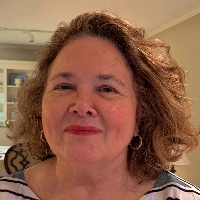
Dr. Deborah Gipple
Experienced counselor for life's big changes
Review online therapy options on BetterHelp.
- Client-centered
- Practical tools
- Trauma-informed
About Deborah
Deborah holds a Ph.D. in Mental Health Counseling and is a Licensed Clinical Mental Health Counselor (LCMHC) in North Carolina. She brings 23 years of counseling experience and has worked with a wide range of issues, including trauma, childhood abuse, attention differences, and seasonal mood shifts. Her background includes work with parenting and communication challenges as well as coping with life changes.
In sessions she uses client-centered methods to follow each person's pace and priorities. She also draws on cognitive behavioral techniques to spot thought patterns that keep a problem going. Solution-focused strategies help identify small, concrete changes to try between visits.
Trauma-focused work is part of her practice when past hurt affects present functioning. Her style aims to be accepting, nonjudgmental, and encouraging while helping people build coping skills. She also supports exploration of issues like attachment, codependency, forgiveness, and life purpose.
People who choose Deborah can expect straightforward conversation, goal-oriented planning, and attention to real-life demands. Prospective clients should confirm current session options and scheduling details before booking.
Approaches that translate to online care
Client-Centered Therapy focuses on listening and reflecting what matters most to the person. It helps when someone needs a respectful space to sort through feelings and decide on next steps. Cognitive Behavioral Therapy (CBT) looks at how thoughts, feelings, and behaviors interact and uses small experiments and practical exercises to reduce anxiety or low mood. Trauma-Focused Therapy pays attention to how past events still affect day-to-day life and offers ways to process those memories and build coping skills.Finding the right approach is part of the work together. The therapist will talk with each person about goals, preferences, and what feels most useful. That collaborative process guides whether sessions emphasize reflection, skill-building, or trauma-focused strategies.
Confirm current session options before booking to know which formats are offered. Online therapy can make it easier to fit sessions into busy days, allow shorter check-ins when needed, and avoid travel time. It also makes it simpler to keep continuity during life transitions so therapy can continue while routines change.
Areas of expertise
Primary focus
Also works with
Additional focus areas
Therapeutic approaches
Experience
23+ years
Credentials
North Carolina
Languages
English
Frequently asked questions
What kinds of problems does she help with?
She works with stress, anxiety, depression, grief, trauma and abuse, addictions, ADHD, relationship strain, parenting issues, and coping with life changes.
What is her therapy style like?
Her style is client-centered and encouraging. Sessions focus on practical steps and straightforward conversation to address immediate concerns.
How much experience does she have?
She has 23 years of counseling experience and has supported people through trauma, mood concerns, parenting struggles, and life transitions.
What credentials and location are listed?
She holds a Ph.D. in Mental Health Counseling and is a Licensed Clinical Mental Health Counselor (LCMHC) in North Carolina.
Which languages are supported?
Sessions are offered in English.
Are international clients accepted?
International clients are not currently accepted.
How are sessions scheduled and paid for?
Cost varies with location and therapist availability, and sessions use a subscription that can be canceled at any time.
How do I begin working with her?
Select the Start Therapy button, complete a short matching questionnaire, and schedule according to therapist availability.