Therapist profile
Christopher Korty
Practical support for life transitions
Review online therapy options on BetterHelp.
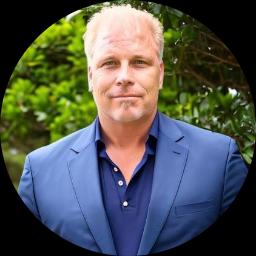
- Direct and respectful
- Skills focused
- NC licensed LCSW
About Christopher
He uses straightforward conversation to understand each person’s situation. He listens for practical patterns that get in the way of daily functioning. From there he works with each client to set small, realistic goals and steps they can try between sessions.
His approach draws on cognitive behavioral techniques to change unhelpful thinking and behavior, dialectical behavior strategies for managing intense emotions, and motivational interviewing to build readiness for change. Sessions focus on skills people can use right away, such as emotion regulation, communication tools, and problem-solving methods.
Clients can expect a respectful, direct style that values sensitivity and collaboration. Christopher tailors the plan to each person rather than using a one-size-fits-all recipe. He emphasizes practical progress and supporting people as they take steps toward a more manageable life.
Over two decades of practice inform his work, including experience with issues like ADHD, bipolar mood concerns, intimacy questions, eating-related struggles, career crossroads, and compassion fatigue. He encourages people to take the first step and will work alongside them as they make changes.
How Christopher Uses Evidence-Based Approaches Online
CBT, or Cognitive Behavioral Therapy, focuses on identifying thoughts and behaviors that make problems worse and testing small behavior changes to improve daily life. It is often used for anxiety, depression, and stress-related challenges.DBT, or Dialectical Behavior Therapy, teaches skills for managing strong emotions and improving relationships. It offers concrete techniques for emotion regulation and distress tolerance that many people find helpful when feelings feel overwhelming.
Motivational Interviewing helps people clarify their goals and find internal motivation to change. It is useful when someone feels stuck or unsure about taking the next steps toward healthier habits.
Finding the right approach is a shared process. The therapist will work collaboratively with clients to choose methods that match their goals, needs, and preferences, and can adjust the plan as progress unfolds.
Confirm the current session options before booking, as formats are not specified here. In general, online therapy can make it easier to fit appointments into a busy week, reduce travel time, allow shorter check-ins when needed, and let people work on skills between sessions while staying engaged with daily life.
Areas of expertise
Primary focus
Also works with
Additional focus areas
Therapeutic approaches
Experience
20+ years
Credentials
North Carolina
Languages
English
Frequently asked questions
What concerns does he address?
He helps with stress, anxiety, depression, grief, relationship difficulties, parenting concerns, anger, addiction, trauma and coping with life changes among other issues.
What is his therapeutic style?
He uses a practical, collaborative style that focuses on listening, setting goals, and teaching skills people can use between sessions.
How much experience does he have?
He brings over 20 years of professional work experience to his practice.
What credentials and location does he hold?
He is an LCSW licensed in North Carolina.
Which languages are supported?
Sessions are offered in English.
Can I work with him from outside the United States?
He does not accept international clients at this time.
How are sessions scheduled and paid?
Cost varies with location and therapist availability; sessions use a subscription that can be canceled at any time.
What do I do to get started?
Click the Start Therapy button, complete the short matching questionnaire, and schedule according to the therapist's availability.